 Insights


 All Insights


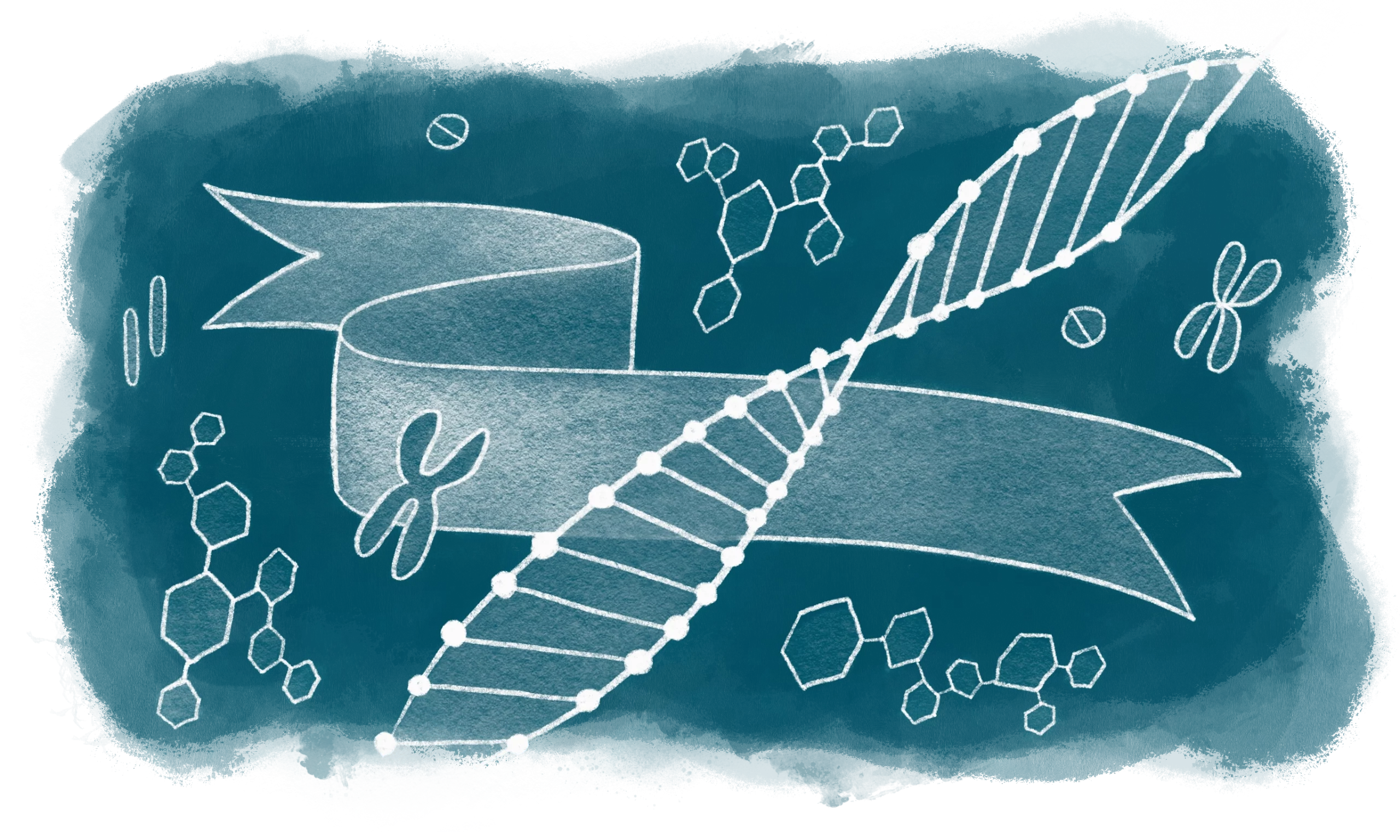
Hormonal Health: The Unspoken Messenger
What if the fatigue you can’t explain, the stress you can’t shake, and the mood shifts you dismiss are all connected? Hormones quietly shape nearly every aspect of a woman’s health—yet they remain one of the least discussed drivers of wellbeing.
Hormones are chemical messengers that control every aspect of growth, from reproductive health to stress management. Hormonal health is a cornerstone of women’s overall wellbeing, and championing it is critical to supporting physical wellness, mental health, emotional balance, and long‑term quality of life.
Facts:
- Hormones are produced by the endocrine system, including the ovaries, uterus, and adrenal glands. They travel through the bloodstream, delivering signals that regulate essential processes like metabolism, growth, mood, sleep, immune function, and reproduction.
- For women, key hormones include estrogen (to aid bone health and reproduction), progesterone (for reproduction and mood), testosterone (to promote energy, muscle mass, and libido), and cortisol (to manage stress).
- Hormone levels fluctuate naturally throughout a woman’s different life stages.
- When hormonal health is disrupted or imbalanced physical symptoms might include chronic fatigue, sleep disturbances, weight fluctuations, mood changes, ‘brain fog’ (being unable to think clearly), and irregular or painful menstruation.
- While hormonal imbalance is most often thought to be confined to puberty and menopause, subtle hormonal changes at any age can trigger mental and physical concerns.
- Hormone imbalances are also the leading cause of infertility in females, and play a part in conditions such as Polyendocrine Metabolic Ovarian Syndrome (PMOS), previously referred to as Polycystic Ovary Syndrome (PCOS), Endometriosis, post-partum conditions, and anovulation.
Hormonal health is not a side conversation—it is central to women’s lives. By bringing it into the open, we can move from confusion to clarity, from dismissal to understanding, and from silence to empowerment.
Sources
- Cleveland Clinic. (2022, April 4). Hormonal imbalance: Causes, symptoms & treatment. Cleveland Clinic. https://my.clevelandclinic.org/health/diseases/22673-hormonal-imbalance opens in a new tab
- Cedar Hill Regional Medical Center. (2026, February 11). How hormonal changes affect women’s health at different ages. https://cedarhillregional.com/news/how-hormonal-changes-affect-womens-health-at-different-ages/ opens in a new tab
- Jardim, N. (2018, October 25). Hormone imbalance: Symptoms, causes, and treatment. Healthline. https://www.healthline.com/health/hormonal-imbalance opens in a new tab
- Kernodle Clinic. (n.d.). How 8 types of hormones affect your health. https://www.kernodle.com/obgyn_blog/how-types-of-hormones-affect-your-health/ opens in a new tab